
Getting Home Insurance for Your Brand-New California Home: It’s Not as Simple as You’d Think
You’ve done it. You’ve bought a brand-new home in California. Maybe it’s a sleek modern build in Orange County, or a fresh tract home in the Inland Empire, or a custom build nestled in the hills of Ventura County. It’s sparkling. It meets every current building code. It’s got all the latest fire-resistant materials and energy-efficient systems. You’re probably thinking, “Great! This home should be a cinch to insure.”
Honestly, it *should* be. You’d imagine that a home built to today’s rigorous standards would be a dream for insurance companies. Less risk, right? Fewer old pipes to burst, no ancient wiring to spark, better earthquake bracing. For a long time, that was largely true. New construction often qualified for better rates and easier approvals.
But here’s the thing. The California insurance market has changed dramatically. It’s a different world now for every homeowner, and new construction, while still having some advantages, isn’t immune to the challenges. Many folks feel a real sense of confusion and even betrayal when they find out securing coverage for their pristine, never-lived-in home is a struggle. It’s frustrating, especially after navigating the competitive California housing market. You’ve earned a smooth process, but sometimes, the system just doesn’t cooperate.
Why Even New Homes Face Hurdles in California
For years, insurers loved new homes. They represented a lower risk profile. Builders now follow strict codes that demand things like better roof materials, tempered windows, and more robust foundations to withstand California’s unique challenges, from seismic activity to wildfires. Many new communities are designed with wider roads, better access for firefighters, and even community-level fire-hardening measures.
That’s not the whole story. Despite these improvements, the insurance landscape here has become incredibly volatile. Several major carriers, including State Farm and Allstate, announced they’d stop writing new policies in California. Other insurers have tightened their belts, making it harder to get coverage, even for the safest homes. Premiums for many existing homeowners jumped anywhere from 20% to 40% between 2022 and 2024, and new construction isn’t exempt from these market shifts.
Which brings up something most people miss: The location of your new home still matters more than almost anything else. Is it in a designated high-wildfire risk area? Even if it’s brand new and built like a fortress, insurers are looking at the *surrounding* environment. A home in a newly developed area of the Santa Clarita Valley might face different challenges than one in a well-established, lower-risk part of the San Fernando Valley, even if both are brand new. They’re looking at the big picture — the brush around your community, the proximity to canyons, the historical fire data for the region. It’s not just about *your* home; it’s about the entire ecosystem it sits within.

From Builder’s Risk to Homeowner’s Policy: The Transition Point
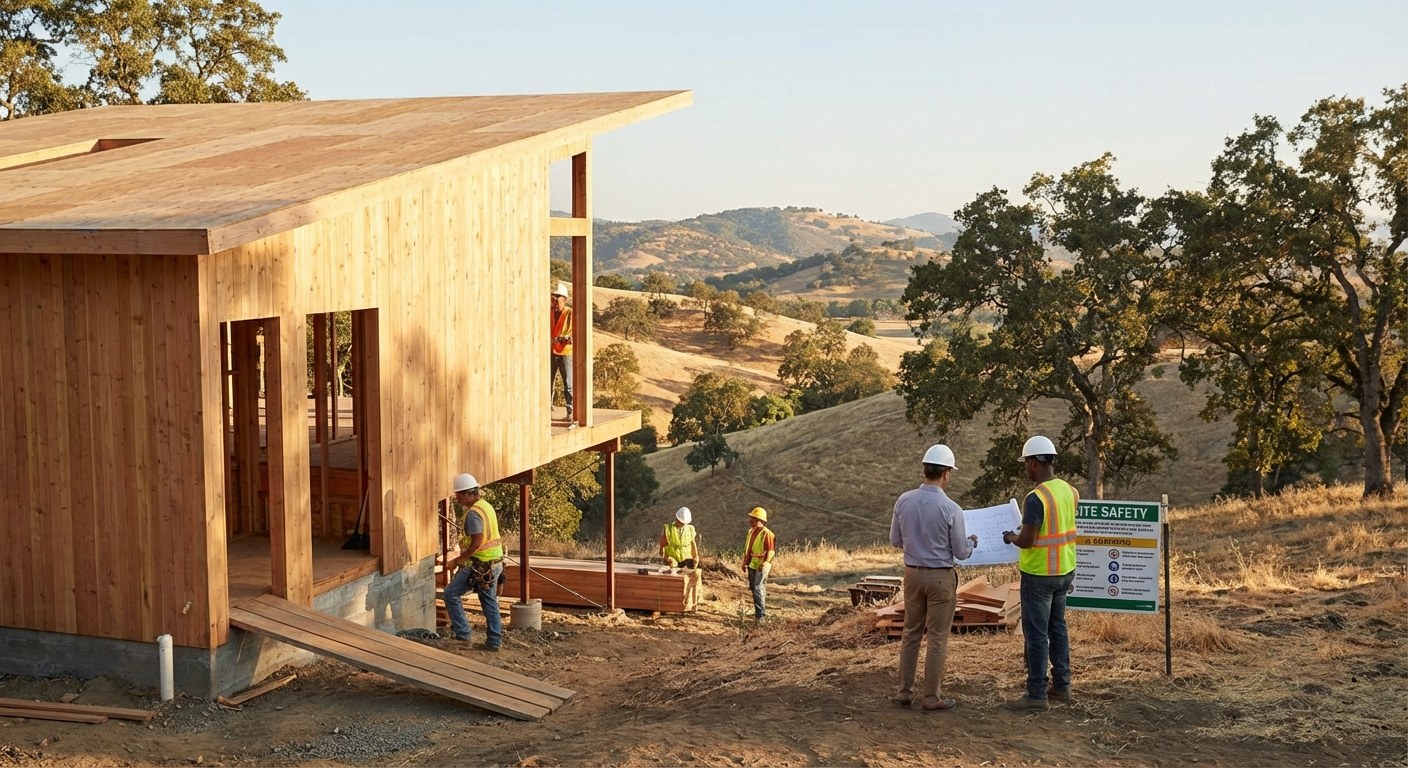
One common point of confusion for new homebuyers revolves around when their home is actually insured. During construction, the builder typically carries a “builder’s risk” policy. This covers the structure and materials while the home is being built. It protects the builder from things like theft of materials, vandalism, or damage from a storm before the house is finished.
But here’s a critical detail: That builder’s risk policy *does not* cover you, the future homeowner, or your personal belongings once you take possession. It’s the builder’s policy, for the builder’s assets and liabilities during *their* phase of ownership. Your coverage needs to be in place *before* you close escrow and take the keys. If you don’t have your own homeowner’s policy lined up, you could be without protection the moment you officially own the property. That’s a scary thought for such a significant investment.
What Your New Home Insurance Policy Should Cover
Okay, so you need your own policy. What should it look like? A standard California homeowner’s policy — often called an HO-3 — has several key components, and new construction doesn’t change these fundamental needs.
* **Dwelling Coverage:** This is the big one. It covers the cost to rebuild your home if it’s damaged or destroyed. For a new home, this is usually based on its current replacement cost. Don’t confuse this with the market value or purchase price. Construction costs in California are high and constantly rising, so you’ll want enough coverage to *actually* rebuild your home, not just its initial value. Materials, labor, permits — it all adds up.
* **Personal Property Coverage:** This protects your stuff inside the house — furniture, electronics, clothes, you name it. Most policies offer coverage based on either actual cash value (depreciated value) or replacement cost (what it would cost to buy new). Always aim for replacement cost for your personal property.
* **Liability Protection:** If someone gets hurt on your property and sues you, this coverage steps in. It also covers damage you accidentally cause to someone else’s property.
* **Additional Living Expenses (ALE):** If your home becomes uninhabitable due to a covered loss, ALE helps pay for temporary housing, food, and other increased costs while your home is being repaired or rebuilt. This can be a lifesaver, especially with how long rebuilding can take in California.
* **Specific Endorsements:** Even new homes benefit from add-ons. Consider “ordinance or law” coverage, which pays for increased costs to rebuild to *current* building codes, not just the codes from when your home was first built. Water backup coverage is also smart, protecting against sewer or drain backups, which aren’t usually covered by a basic policy.
Finding Coverage: Why an Independent Agent Makes a Difference
You’re probably wondering how to even find a policy when so many insurers are pulling back. This is precisely where an independent insurance agent becomes absolutely invaluable. They aren’t tied to one specific company; instead, they work with many different insurers, including those smaller, regional carriers that might still be writing new business in California.
Someone like Karl Susman at Los Angeles Home Protection, CA License #OB75129, spends his days working through these complex market shifts. He understands the nuances of the California market, which carriers are still offering competitive rates, and what specific coverages new homes need. It’s not about just getting *a* policy; it’s about getting the *right* policy for your unique situation. They can help you compare options, explain the fine print, and advocate on your behalf.
If your new home is in a very high-risk area, you might find yourself looking at the California FAIR Plan. This is California’s “insurer of last resort.” It provides basic fire coverage when private insurers won’t. But it’s important to understand the FAIR Plan isn’t a full homeowner’s policy. It primarily covers fire and wildfire damage. You’ll likely need a “Difference in Conditions” (DIC) policy from a private insurer to fill in the gaps for things like liability, theft, and water damage. It’s a two-part solution, and it can be more expensive and cumbersome than a standard policy.
What Your Builder Does – And What You Should Ask
Many California builders are proactive. They know the insurance market is tough, so they’re incorporating features designed to make their homes more insurable. We’re talking about things like ignition-resistant construction, non-combustible siding, ember-resistant vents, and even community-level defensible space programs.
When you’re buying a new home, don’t be shy about asking your builder:
* What specific fire-hardened features are included?
* Are there any community-level mitigation efforts?
* What is the fire-risk rating for this specific development?
* Can you provide documentation on the building materials used?
This information can be helpful when you’re talking to an agent. Sometimes, even small details about construction materials or the property’s defensible space can make a difference in an insurer’s decision.
The Application Process for a New Home
So, you’ve found an agent and you’re ready to apply. What should you expect?
You’ll need details about the home’s construction — square footage, number of stories, type of roof, foundation, and sometimes even specific material types. Your agent will also ask about any safety features like alarm systems, sprinklers, or smart home technology.
Many insurers will require an inspection, even for new construction. They want to verify the property’s condition and assess any potential risks firsthand. Don’t worry, this is standard procedure. They’re just making sure everything matches up to the information provided.
Finding the right coverage for your new California home might feel like another hurdle after everything else you’ve been through. But it doesn’t have to be an impossible task. Getting expert guidance can save you a lot of headache and ensure your biggest investment is properly protected.
Ready to explore your options and get some clear answers for your new California home?
Click here to get a quote and start the conversation.
Common Misconceptions About New Home Insurance
* **”The builder’s warranty covers everything.”** Not always. A builder’s warranty covers defects in materials or workmanship for a certain period — usually one to ten years depending on the component. It doesn’t cover damage from fires, storms, theft, or liability if someone gets hurt on your property. Big difference.
* **”My new home won’t flood or have an earthquake.”** New construction might be built to higher standards, but it can still be in a flood zone or an active earthquake area. Standard home insurance policies *do not* cover flood or earthquake damage. You need separate policies for those, and it’s something you absolutely should consider in California.
* **”I just need enough coverage to satisfy my lender.”** Your lender requires enough dwelling coverage to protect *their* investment. That might not be enough to fully rebuild your home to current standards after a catastrophic loss. Always aim for full replacement cost, not just the minimum required.
It’s easy to feel overwhelmed by all this, especially when you’re already swamped with moving and settling in. But protecting your new home is too important to cut corners or leave to chance. Take a breath. There are solutions, even in this challenging market.
Don’t let the complexities of California’s insurance market leave your new home vulnerable. Take the first step towards peace of mind.
Get a personalized quote for your new California home here.
Frequently Asked Questions About New Construction Home Insurance in California
Q: Is new construction always cheaper to insure than an older home?
A: Not necessarily. While new homes often qualify for discounts due to modern building codes and materials, their location in a high-risk area (like a wildfire zone) can often outweigh those benefits. The current market conditions in California also mean that even new homes can face higher premiums or limited options compared to years past.
Q: Do I need separate earthquake or flood insurance for a new home?
A: Yes. Standard homeowner’s insurance policies in California do not cover damage from earthquakes or floods, regardless of whether your home is new or old. You’ll need to purchase separate policies for these perils if you want that protection, which is highly recommended for most areas in California.
Q: What’s the difference between replacement cost and market value for my new home?
A: Your home’s replacement cost is what it would actually cost to rebuild it from the ground up if it were totally destroyed, including labor, materials, and debris removal. Market value is what someone would pay to buy your home, which includes the land value and can be influenced by location, school districts, and market demand. Insurance policies typically cover replacement cost, not market value, for the structure.
Q: How far in advance should I get insurance for my new construction home?
A: You should start the process as soon as you have a confirmed closing date. It’s wise to have your policy in place and active *before* you close escrow and take possession of the home. This ensures there’s no lapse in coverage between the builder’s risk policy ending and your homeowner’s policy beginning.
Q: My new community has fire-resistant landscaping. Does that help with insurance?
A: Absolutely! Community-level fire mitigation and defensible space around your home are significant factors for insurers, especially in wildfire-prone areas. These measures can sometimes help you qualify for certain carriers or discounts that might otherwise be unavailable. Always ask your builder for documentation on these features.
This article is for informational purposes only and does not constitute financial advice.