
Why Flood Insurance Isn’t Just for Flood Zones Anymore
For most California homeowners, the idea of flood insurance might seem… well, a bit dramatic. You probably picture hurricanes in Florida or the Mississippi overflowing its banks. But here’s the thing: California isn’t immune. Far from it. Our state faces unique and growing flood risks, and your standard home insurance policy? It won’t cover a single drop of flood damage. Not a penny.
Honestly, this is one of the biggest misconceptions out there. Many folks assume their regular policy has them covered for everything from a kitchen fire to a full-blown deluge. It doesn’t. Flood damage is almost always excluded. That means if a river jumps its banks, or an atmospheric river dumps enough rain to turn your street into a lake, you’re on your own if you don’t have a separate flood policy.
The Reality of Flooding in California
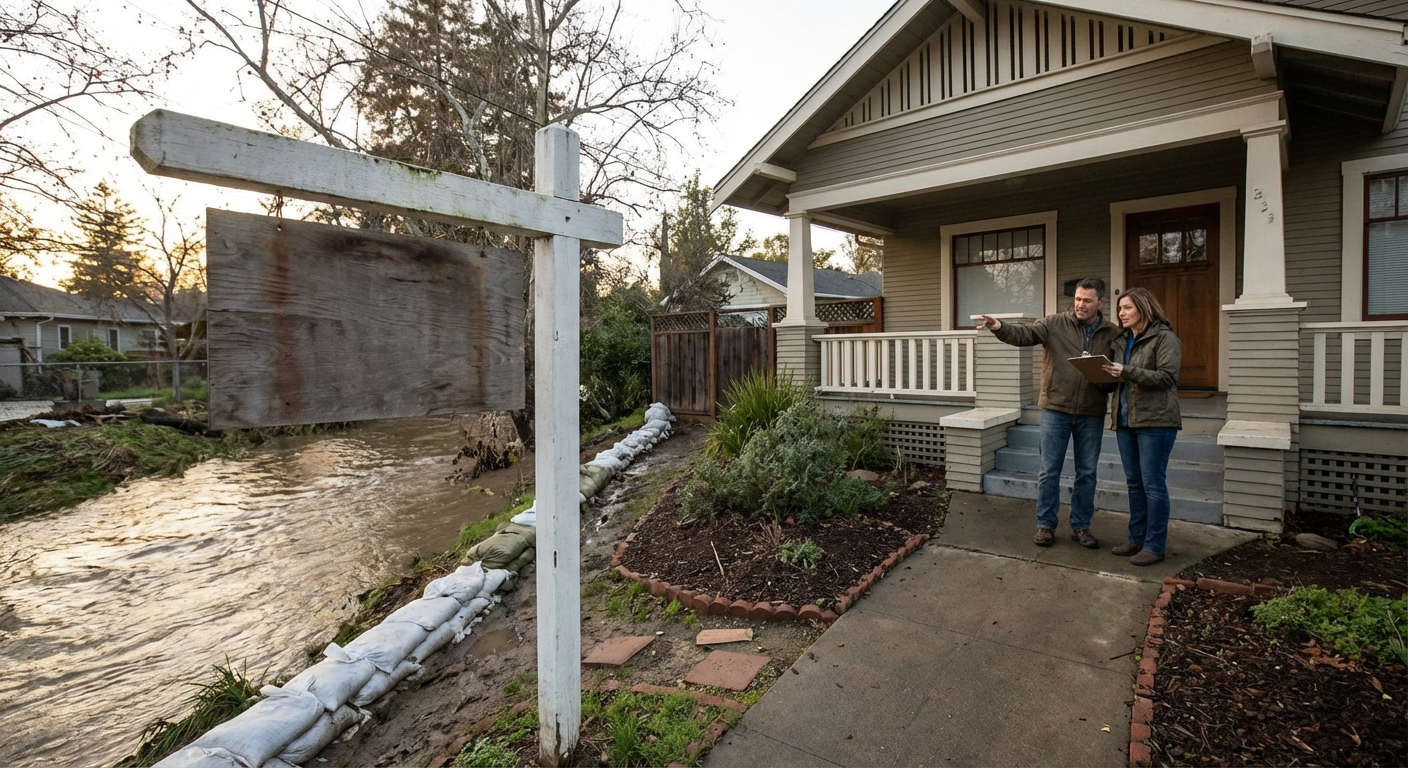
California’s weather patterns aren’t what they used to be. We swing wildly from drought to deluge. Just look at the winter of 2023, when a parade of atmospheric rivers slammed the state. Homes in Ventura County, typically thought of as dry, saw significant flooding. Creeks swelled, drainage systems overwhelmed. Roads became rivers. Even areas far from major waterways felt the impact.
But wait — it’s not just about heavy rain. Wildfires, like the devastating ones that ripped through the Santa Cruz Mountains or the Sierra foothills, leave behind burn scars. These areas lose their natural vegetation, which usually helps absorb rainfall. So when the rains do come, often just months later, the water runs off rapidly, picking up ash, mud, and debris. This leads to dangerous mudslides and flash floods, even in places that have never flooded before. Think about communities near the Dixie Fire burn scar – they’re facing a whole new kind of flood risk.
Then there’s coastal flooding. As sea levels creep up, high tides combined with storm surges pose a real threat to beachfront properties and low-lying communities along the Pacific. San Francisco’s Embarcadero, parts of Huntington Beach, even areas around San Diego Bay are seeing more frequent nuisance flooding. It’s not always a catastrophic event; sometimes it’s just persistent water intrusion that causes slow, expensive damage over time.
Most people hear “flood zone” and think only of those high-risk areas designated by FEMA. But nearly 25% of all flood claims come from areas considered “low-to-moderate risk.” That’s not a small number. Your neighbor could flood, and you could too, even if the map says you’re fine.

National Flood Insurance Program (NFIP) vs. Private Options
For a long time, the National Flood Insurance Program, or NFIP, was pretty much the only game in town for flood coverage. It’s a federal program, managed by FEMA, and it provides coverage for flood damage to homes and businesses.
It’s important, yes. But it also has its limitations. NFIP policies come with caps on coverage – usually up to $250,000 for the building structure and $100,000 for personal belongings. For many California homes, especially in expensive markets like Los Angeles or the Bay Area, those limits might not be enough to rebuild after a major flood.
That’s not the whole story, though. Over the last decade, a private flood insurance market has really started to grow. These are policies offered by private insurance companies, not the government. They often provide higher coverage limits, sometimes up to $1 million or more for the structure, and more generous coverage for contents. Some private policies even offer additional coverages like loss of use, which pays for temporary living expenses if you can’t stay in your home after a flood. That’s a big deal if you have to move out for months while repairs happen.
Which brings up something most people miss. Private flood policies can sometimes offer faster claims processing. While NFIP claims are handled by private insurers, the rules are set by FEMA, which can sometimes slow things down. Private policies often have more flexibility and can be tailored more specifically to your home’s unique risks and value. They’re worth exploring, especially if your home value exceeds NFIP limits or if you’re looking for more comprehensive coverage.
What Flood Insurance Actually Covers
Okay, so what exactly does a flood policy pay for? Generally, it covers direct physical damage to your building and your personal property caused by a flood. This includes things like:
- The physical structure of your home, including the foundation, walls, roof, and floors.
- Electrical and plumbing systems.
- Furnaces, water heaters, and central air conditioning.
- Appliances like refrigerators, cooking stoves, and built-in dishwashers.
- Permanently installed carpeting over an unfinished floor.
- Debris removal.
- Personal belongings, like clothing, furniture, and electronics (though often with lower limits and sometimes on an Actual Cash Value basis, meaning depreciation is taken out).
What’s not covered? Things like land itself, swimming pools, fences, septic systems, and landscaping are typically excluded. Your car? That’s covered by the comprehensive part of your auto insurance policy, not flood insurance. And don’t expect it to cover financial losses from business interruption if your home office floods, or for mold damage that could have been prevented.
Also, remember this: most flood policies have a waiting period, often 30 days, before coverage kicks in. You can’t buy it when the storm is already on its way.
Understanding Your Flood Risk and Premiums
For years, flood insurance premiums were largely based on FEMA’s flood maps. If you were in a Special Flood Hazard Area (SFHA) – a high-risk zone – you paid more. If you weren’t, you paid less, or maybe nothing if you didn’t have a mortgage lender requiring it.
But here’s where it gets interesting. FEMA launched a new pricing methodology called Risk Rating 2.0. This system aims to price policies more accurately by considering individual property characteristics like the home’s elevation, the cost to rebuild, and flood frequency, not just the broad flood zone. For some homeowners in California, particularly those previously in lower-risk zones but with higher individual risk, premiums jumped 40% between 2022 and 2024. Others, surprisingly, saw their rates go down. It’s a fairer system in theory, but it certainly shook things up for many.
Three things drive your premium up: being in a high-risk flood zone, having a lower elevation relative to the base flood elevation, and living in an older home that wasn’t built to modern flood standards. Your deductible also plays a role – choosing a higher deductible can lower your premium, but means you pay more out-of-pocket if you have a claim.
Even if you’re not in a designated high-risk area, you still have some flood risk. Water finds a way. A clogged storm drain, a broken water main, or unusually heavy rainfall can cause localized flooding. Don’t assume “low risk” means “no risk.”
The Home Insurance Crisis and Flood Insurance
If you own a home in California, you’ve probably heard the news about the state’s challenging home insurance market. Major insurers like State Farm, AAA, and Farmers have either paused new policies or significantly restricted coverage in certain areas, especially those prone to wildfires. This has left many homeowners scrambling, sometimes pushed to the FAIR Plan, which is California’s “insurer of last resort.”
The problem? The FAIR Plan covers fire, vandalism, and some other perils, but it absolutely does not cover floods. So, if you’re relying on the FAIR Plan for your basic home coverage, you’re still completely exposed to flood damage unless you buy a separate flood policy.
This tight market makes the decision about flood insurance even more pressing. With fewer options for standard home insurance, you can’t afford to overlook other critical coverages. The last thing you want is to finally secure a home insurance policy, only to find yourself ruined by a flood because you thought you were covered.
Finding the Right Policy: Why an Expert Matters
Understanding flood insurance, especially with the complexities of NFIP’s Risk Rating 2.0 and the growing private market, can feel like a maze. It’s not a one-size-fits-all product. Your home’s specific location, its elevation, its value, and your personal risk tolerance all play a part in finding the right policy.
This is where an independent insurance agent becomes invaluable. Someone like Karl Susman, with Los Angeles Home Protection, CA License #OB75129, has deep experience with California’s unique insurance challenges. He can help you understand your actual flood risk, compare options from both the NFIP and the private market, and tailor a policy that truly protects your investment.
You don’t want to guess when it comes to protecting your most valuable asset. Talking to an expert means getting clear answers and finding solutions that fit your specific needs. Give Karl a call at (877) 411-5200, or click here to start the conversation:
Common Misconceptions
Let’s clear up a few more common myths:
- “My homeowners policy covers it.” Nope. We’ve said it before, but it bears repeating. Standard home insurance excludes flood damage. Period.
- “I’m not in a flood zone, so I’m safe.” Not always. As we discussed, many floods happen outside high-risk zones. Water doesn’t read maps.
- “The government will help me if I flood.” Maybe. Federal disaster assistance is only available if the President declares a major disaster. Even then, it’s often low-interest loans, not grants, and they rarely cover the full cost of rebuilding or replacing everything you lost. Insurance is a much more reliable path to recovery.
California’s climate is changing. The old assumptions about what constitutes a “flood risk” just don’t hold up anymore. Protecting your home from water damage is no longer a niche concern; it’s a fundamental part of responsible homeownership in the Golden State. Don’t wait until the water is rising to realize you’re unprepared.
Ready to get some answers and explore your options? Karl Susman and his team are here to help. Get started today:
Protect Your Home from Flooding
Frequently Asked Questions About California Flood Insurance
Does my regular homeowners insurance cover flood damage in California?
No, almost all standard homeowners insurance policies specifically exclude flood damage. You need a separate flood insurance policy to be covered for damage caused by
Disclaimer: This article is for informational purposes only and does not constitute financial advice.