
California Wildfire Risk: It’s Not Just the News Anymore
Honestly, if you own a home in California, you’ve probably felt it. That tightening in your gut when the Santa Anas kick up, or when another red flag warning flashes across your phone. Wildfires aren’t just a distant threat anymore; they’re a part of life for millions, from the hills of Ventura County to the canyons of the Inland Empire. For years, this escalating risk has meant one thing for homeowners: insurance premiums that climb higher and higher, sometimes even policies getting dropped altogether. State Farm pulled out of new policies in 2023. Farmers followed suit in many areas. It’s a tough spot.
But here’s where it gets interesting. The state is finally pushing back in a big way. Regulators, insurers, and homeowners are starting to agree on something important: we can’t just keep paying more and more. We have to *do* something. That “something” is wildfire mitigation. And now, thanks to new rules, doing that work can actually save you money on your home insurance. It’s a real shift.
Why Mitigation Matters Now More Than Ever
Think about it: after the devastating Camp Fire in Paradise, or the Thomas Fire that swept through Santa Barbara and Ventura, the scale of destruction was almost unimaginable. Homes burned to the ground. Entire communities vanished. Insurers paid out billions. Of course, they had to raise rates, or stop writing policies in high-risk areas. It’s simple math for them.
The problem, though, wasn’t just the fire itself. It was how homes were built, how landscapes were managed, and how prepared — or unprepared — communities were. Many homes were sitting ducks. Embers flew for miles, igniting houses far from the actual flame front. That’s a big lesson.
For a long time, California homeowners felt trapped. They lived in beautiful, high-risk areas, saw their premiums jump 40% between 2022 and 2024, and often couldn’t find affordable coverage outside the state’s FAIR Plan – which, let’s be frank, is a last resort and often doesn’t cover everything. That’s not the whole story. Regulators, under the direction of Insurance Commissioner Ricardo Lara, have been working to change this. They want to create a more stable insurance market, and they believe mitigation is the key.
New Rules, New Discounts: What Changed?
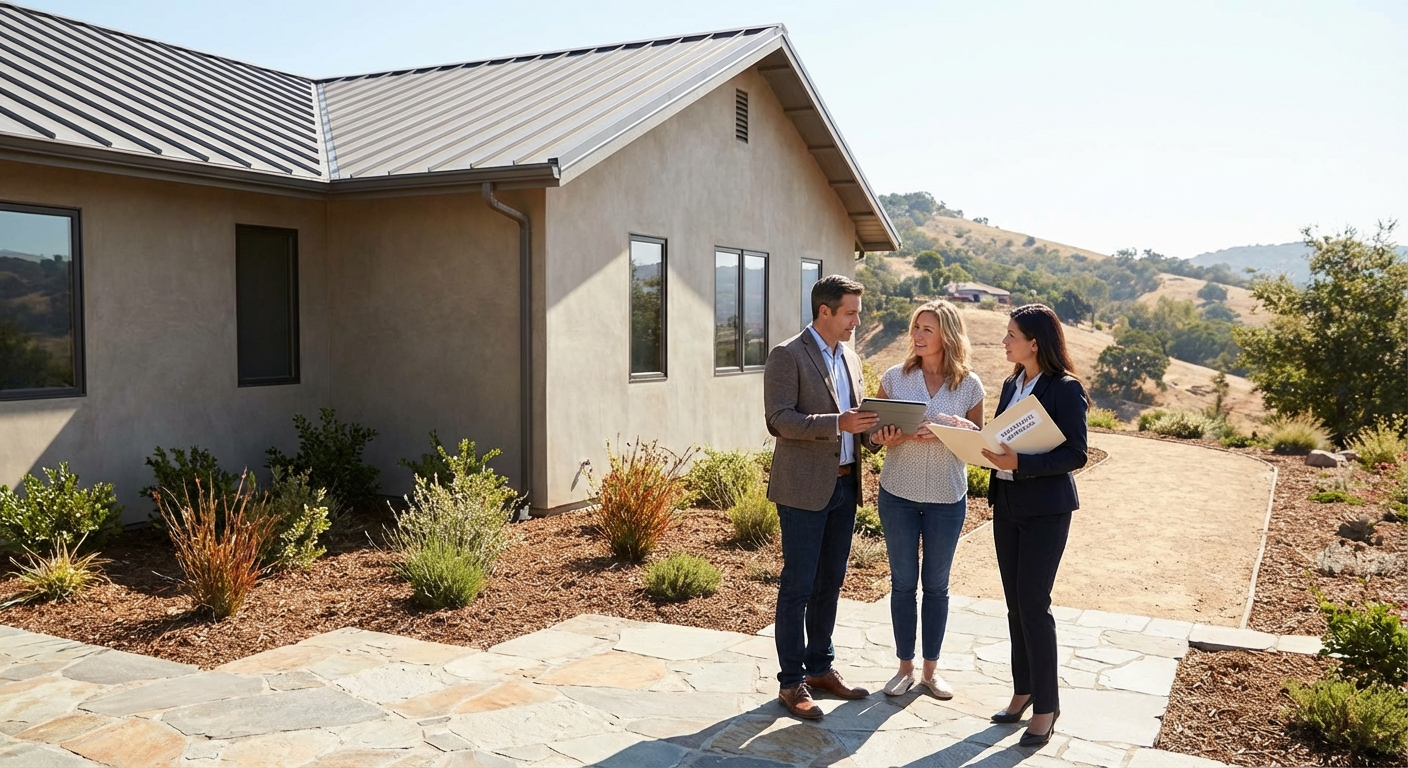
Last year, California adopted new regulations. These rules require insurance companies to offer discounts to homeowners who take specific, proven steps to reduce their wildfire risk. This isn’t just a suggestion; it’s a mandate. Insurers can no longer simply deny coverage or charge exorbitant rates without acknowledging your efforts to protect your property.
Why the change? Prop 103, passed way back in 1988, gives the Insurance Commissioner significant power to regulate rates. This new framework, often called the “Safer from Wildfires” framework, is a direct result of that authority. It’s a push to encourage proactive protection, not just reactive claims.
The “Safer from Wildfires” Framework: Your Mitigation Blueprint
So, what exactly counts as “mitigation” in the eyes of an insurer? The state’s framework outlines clear, science-backed actions. These aren’t random tasks; they’re strategies developed by wildfire experts to make your home more resilient. They fall into two main categories: hardening your home and creating defensible space.
Home Hardening: Making Your House Fire-Resistant
This part focuses on the structure itself. It’s about making your home less likely to ignite from embers or direct flame contact.
* **Roofs:** Replacing old wood shake or shingle roofs with fire-resistant materials like asphalt composition, metal, or tile. Embers love to land on and ignite old roofs. A new roof is a big deal.
* **Vents:** Installing fine mesh (1/8 inch or smaller) over all attic, foundation, and dryer vents. Those tiny openings are super highways for embers.
* **Eaves and Soffits:** Enclosing open eaves and soffits. Again, embers can get trapped in these spaces and ignite the roof structure from underneath.
* **Windows:** Using multi-pane, tempered glass windows, especially on the side facing the highest risk. Single-pane windows can shatter quickly from heat, letting flames inside.
* **Siding:** Replacing flammable siding (like wood or vinyl) with fire-resistant materials such as stucco, fiber cement, or treated wood.
* **Decks and Patios:** Using fire-resistant materials for decks, or ensuring the area underneath is clear of combustible materials. Embers can get under decks easily.
Defensible Space: Creating a Buffer Zone
This is about managing the vegetation and anything else around your home. It’s not just about stopping flames from reaching your house; it’s about reducing the intensity of the fire if it does get close. Firefighters often prioritize saving homes with good defensible space because they can work more safely and effectively.
* **Zone 0 (0-5 feet from your home):** This is the “ember-resistant zone.” Absolutely no combustible materials here. That means no wood mulch, no flammable plants, no firewood stacks. Think hardscaping, gravel, or very sparse, irrigated, fire-resistant plants. Keep this area immaculate.
* **Zone 1 (5-30 feet from your home):** Reduce vegetation. Remove dead plants, prune lower branches from trees (up to 6 feet or one-third of the tree’s height), and space out remaining plants. Keep grass mowed short.
* **Zone 2 (30-100 feet from your home):** Continue to thin and space out vegetation. Remove small trees and shrubs that could act as “ladder fuels” — carrying fire from the ground to taller trees. Create horizontal and vertical spacing between plants.
Many counties, like those surrounding the Angeles National Forest, already have strict defensible space ordinances. Now, these efforts directly translate to insurance savings.
Getting Your Discount: The Process
So, you’ve done the work. You’ve cleared your defensible space, maybe replaced your roof, or screened your vents. Now what? How do you actually get that discount?
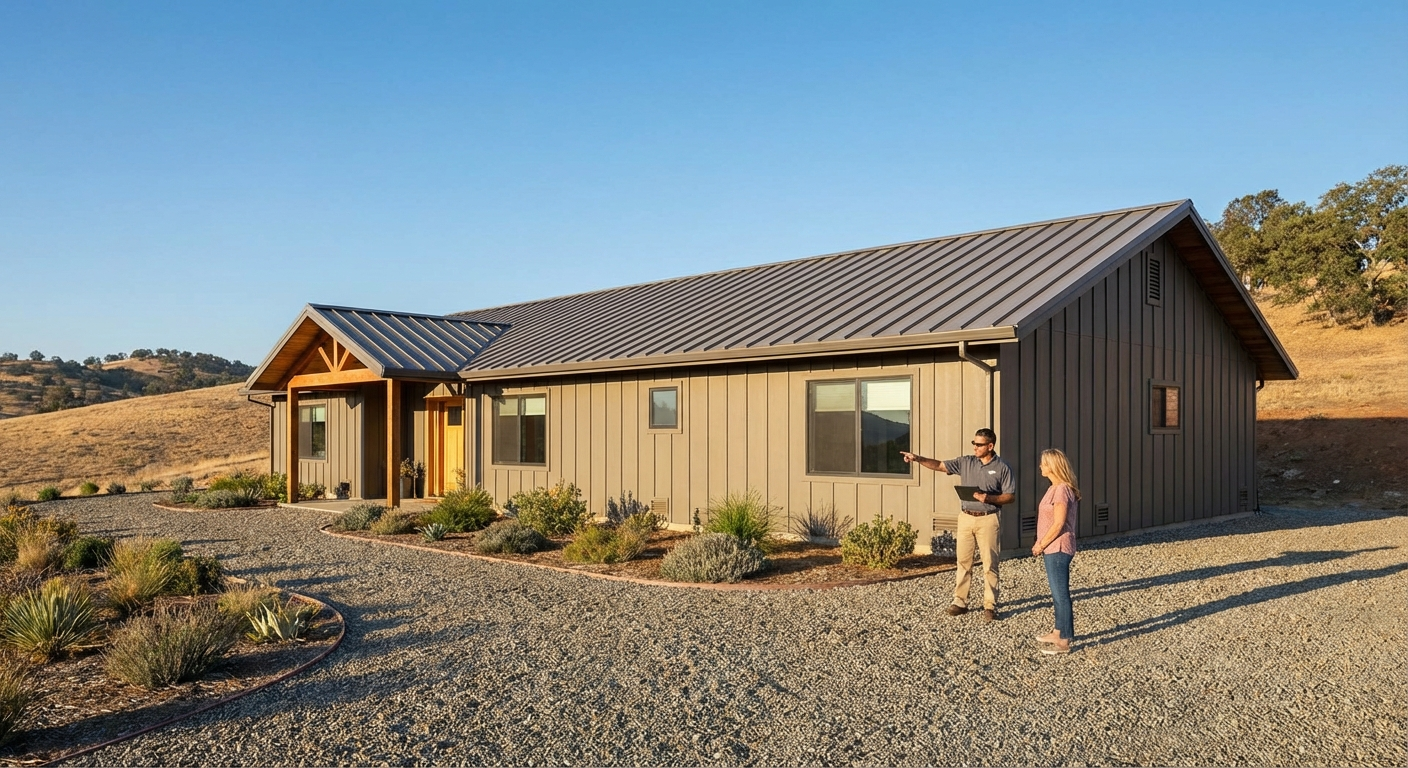
First, you’ll need documentation. Pictures are key. Before-and-after photos of your mitigation efforts are incredibly helpful. Keep receipts for any materials or professional services. Some insurers might require a professional inspection, while others will accept self-attestation with photographic evidence.
Next, talk to your insurance agent. Karl Susman, with Los Angeles Home Protection (CA License #OB75129), understands these new rules inside and out. He can guide you through what specific documentation your current or prospective insurer will need. Different companies might have slightly different requirements, even under the same state framework. You might even find that switching insurers, armed with your mitigation efforts, could lead to even bigger savings.
What to Expect from Insurers
Insurers are still figuring some of this out, too. This is a new mandate for them. Some, like AAA or Mercury, have been quicker to implement discount programs. Others are catching up. Don’t be surprised if you have to be persistent. But remember, the law is on your side. If an insurer isn’t offering a discount for your proven mitigation efforts, you have recourse.
Which brings up something most people miss. This isn’t just about getting a discount. It’s about *getting coverage at all*. In many high-risk areas, homes without significant mitigation efforts are simply uninsurable by the standard market. The FAIR Plan is always there, but it’s not ideal. By hardening your home and creating defensible space, you’re not just saving money; you’re making your property a more attractive risk for insurers. That means more choices, better coverage, and ultimately, more peace of mind.
Ready to see how your mitigation efforts can translate into real savings? Get a personalized quote and discuss your options. Visit https://losangeleshomeprotection.com/quote/ to start.
Beyond the Discounts: A Safer California
The long-term goal here is bigger than just individual policy savings. It’s about creating a more resilient California. If enough homeowners take these steps, we could see a significant reduction in property damage from wildfires across the state. That means fewer catastrophic losses, fewer communities devastated, and a more stable insurance market for everyone.
It’s a shared responsibility. Homeowners, insurers, and the state all have a part to play. And for the first time in a long time, there’s a clear path for homeowners to be rewarded for doing their part.
If you’re wondering about your specific situation or need help understanding the mitigation requirements for your property, don’t hesitate to reach out. Karl Susman at Los Angeles Home Protection is an expert in California home insurance and can help you navigate these changes. You can reach him at (877) 411-5200.
Want to explore your home insurance options with mitigation discounts in mind? Get a quote today: https://losangeleshomeprotection.com/quote/.
Frequently Asked Questions About Wildfire Mitigation Discounts
What exactly is “home hardening”?
Home hardening means making your house itself more resistant to ignition from embers or direct flame contact. This includes things like replacing flammable roofs with fire-resistant materials, installing fine mesh on vents, enclosing open eaves, and using multi-pane windows.
Do I need to do everything on the “Safer from Wildfires” list to get a discount?
Not necessarily. The framework outlines a range of actions. Insurers are required to offer discounts for *any* of the specified mitigation actions you take. The more steps you take, and the more thoroughly you implement them, the larger your potential discount could be. It’s about reducing your overall risk profile.
How do I prove to my insurer that I’ve done the mitigation work?
Documentation is key. Take “before” and “after” photos of your property, especially focusing on the areas where you’ve made changes (e.g., new roof, cleared defensible space). Keep receipts for materials or any professional services you hired. Some insurers might require a formal inspection, while others will accept your documentation.
What if my current insurer doesn’t offer a discount, even after I’ve mitigated?
Under the new California regulations, insurers are required to offer these discounts. If your current insurer isn’t complying, you have options. First, speak with your agent and provide your documentation. If they still refuse, you can contact the California Department of Insurance. You also have the option to shop around with other insurers who are complying with the regulations. An independent agent like Karl Susman can help you find those options.
Does this mean I can get insurance even if I live in a very high-risk area?
Mitigation significantly improves your chances of getting coverage in high-risk areas. While it doesn’t guarantee a policy from every insurer, it makes your home a much more attractive risk. Many standard insurers will now consider homes with strong mitigation efforts, whereas before, they might have automatically declined them. It expands your choices beyond just the FAIR Plan.
This article is for informational purposes only and does not constitute financial advice.