
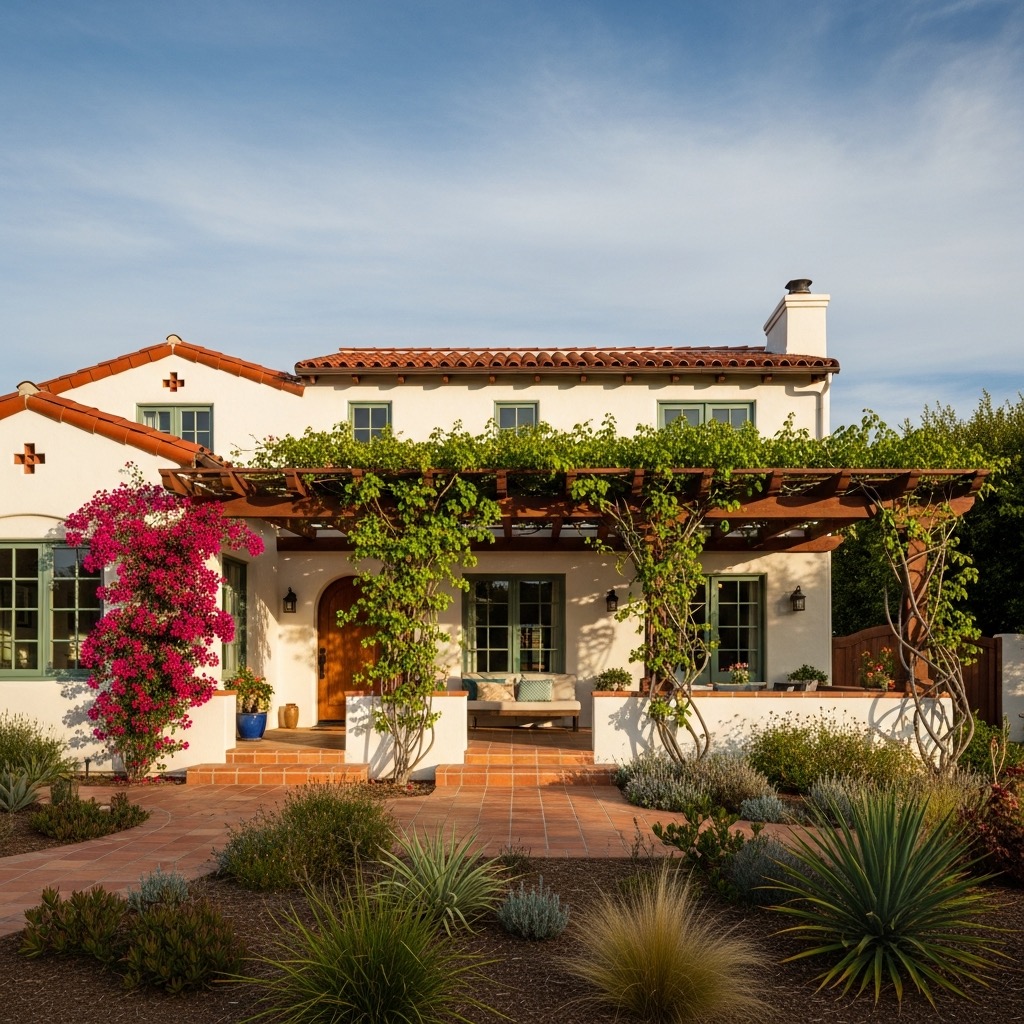
Navigating the New Reality of Homeownership in Los Angeles
The landscape of property ownership in Southern California has shifted dramatically. For decades, homeowners in Los Angeles operated under the assumption that securing adequate coverage was a straightforward annual task. However, recent wildfire seasons, particularly the impactful events surrounding 2025, have fundamentally altered the risk profile of the region. If you are currently facing a non-renewal notice or find yourself trapped in a costly surplus lines policy, you are not alone. The search for stable, affordable LA home insurance after 2025 fires has become one of the most pressing concerns for residents across the basin.
Understanding the nuances of the current market is no longer optional; it is essential for protecting your largest financial asset. This guide will walk you through the critical distinctions between carrier types, the importance of adequate limits, and actionable strategies to secure your home against both fire and seismic risks. Whether you are looking to transition from a non-admitted carrier back to the standard market or simply ensuring your current policy holds up under scrutiny, knowledge is your first line of defense.
The Current California Insurance Market Landscape
To make informed decisions, homeowners must first grasp why the market has tightened. Major admitted carriers have significantly reduced their exposure in wildfire-prone zones. This retreat is driven by escalating reinsurance costs, increased catastrophe losses, and regulatory constraints on rate increases. Consequently, many policyholders have received non-renewal notices, forcing them to seek coverage elsewhere.

The aftermath of the 2025 fire season accelerated this trend. Insurers are recalibrating their models to account for higher frequency and severity of losses. For the average homeowner, this translates to three primary challenges:
- Non-Renewals: Standard carriers are dropping policies in high-risk zip codes, leaving homeowners scrambling for coverage before their current policy expires.
- Rate Increases: Even when carriers do renew, premiums have jumped significantly to reflect the heightened risk environment.
- Carrier Exits: Some insurers have ceased writing new business in California entirely, shrinking the pool of available options.
When searching for LA home insurance after 2025 fires, you will encounter a market where availability is limited. Many homeowners are being pushed toward the California FAIR Plan, which serves as an insurer of last resort. While the FAIR Plan provides necessary fire coverage, it is often more expensive than standard policies and lacks the breadth of coverage found in admitted homeowner policies. Understanding these market conditions is the first step toward finding a solution that balances cost with comprehensive protection.
Admitted vs. Non-Admitted Carriers: Knowing the Difference
One of the most critical distinctions in California insurance is between admitted and non-admitted carriers. This distinction often determines the safety net available to you if your insurance company becomes insolvent.
Admitted Carriers are licensed by the California Department of Insurance (CDI). They adhere to strict state regulations regarding rates and policy forms. Most importantly, policies written by admitted carriers are protected by the California Insurance Guarantee Association (CIGA). If an admitted carrier goes bankrupt, CIGA steps in to pay claims up to certain limits. For most homeowners, this security is paramount.
Non-Admitted Carriers (Surplus Lines) are not licensed by the state but are allowed to write coverage when admitted carriers refuse to do so. These carriers offer more flexibility in underwriting but come with significant trade-offs. They are not backed by CIGA. If a surplus lines carrier becomes insolvent, you may lose your coverage and have no recourse for unpaid claims. Additionally, surplus lines policies often come with higher premiums and fewer consumer protections.
Many residents displaced by standard market non-renewals are finding themselves stuck with expensive surplus lines carriers. While better than being uninsured, the goal should always be to secure admitted coverage if possible. Working with an experienced independent agent is crucial here. An agent who understands the admitted market can shop multiple carriers to find one willing to write your risk, potentially saving you from the long-term costs and risks associated with surplus lines.
Wildfire Risk Mitigation and Insurability
While you cannot control the broader market, you can influence your home’s insurability. Insurers are increasingly looking at mitigation efforts when underwriting policies in wildfire zones. Taking proactive steps to harden your home can not only protect your property but also make you more attractive to admitted carriers.
Consider implementing the following mitigation strategies:
- Defensible Space: Clear vegetation within 100 feet of your structure. This includes removing dead plants, trimming tree branches away from the roof, and creating zones of reduced fuel.
- Home Hardening: Install ember-resistant vents, use fire-resistant roofing materials, and ensure siding is non-combustible. These upgrades directly reduce the risk of ignition.
- Gutter Maintenance: Keep gutters clean of leaves and debris, as accumulated dry material can catch embers easily.
- Documentation: Keep records of any mitigation improvements. When applying for new coverage, provide this documentation to underwriters to demonstrate risk reduction.
These steps are vital for anyone pursuing LA home insurance after 2025 fires. Underwriters are more likely to offer terms to homeowners who demonstrate a commitment to safety. Furthermore, some carriers may offer premium credits for specific mitigation measures, helping to offset the rising costs of coverage.
The Necessity of Earthquake Endorsements
Fire is not the only peril threatening Los Angeles homeowners. Earthquake risk remains ever-present, and standard homeowner policies explicitly exclude earthquake damage. Following the volatility of the recent fire seasons, some homeowners mistakenly assume their policy covers all natural disasters. This is a dangerous misconception.
Earthquake coverage must be purchased separately, either through a standalone policy or an endorsement to your homeowner policy. The California Earthquake Authority (CEA) offers residential earthquake insurance, but private carriers also provide options. Given the construction costs in Los Angeles, repairing structural damage from seismic activity can be financially devastating without proper coverage.
When reviewing your policy, ensure you understand the deductible structure. Earthquake policies typically have percentage deductibles rather than flat dollar amounts. For example, a 10% deductible on a home insured for $1 million means you are responsible for the first $100,000 of damage. Balancing your deductible with your premium is key to maintaining affordability while ensuring you have a safety net for catastrophic events.
Replacement Cost vs. Actual Cash Value
In the wake of significant losses, construction costs in California have soared. Labor shortages and material price increases mean that rebuilding a home today costs significantly more than it did five years ago. This makes the distinction between Replacement Cost and Actual Cash Value (ACV) critical.
Replacement Cost coverage pays the amount needed to rebuild your home with materials of like kind and quality, without deducting for depreciation. Actual Cash Value factors in depreciation, meaning you receive the current value of the materials, which is often far less than the cost to replace them.
For Los Angeles homeowners, settling for ACV coverage is a risky strategy. If your home is damaged by fire or earthquake, an ACV payout may leave you with insufficient funds to complete repairs. Always advocate for Replacement Cost coverage on both your dwelling and personal property. Additionally, consider adding an Ordinance or Law endorsement. This covers the cost of upgrading your home to meet current building codes during reconstruction, which is often required in Los Angeles after significant damage.
Ensuring your limits reflect current construction costs is part of securing robust LA home insurance after 2025 fires. An agent should perform a replacement cost analysis regularly to ensure your coverage limits keep pace with inflation and local building expenses.
Practical Strategies to Secure Coverage
Navigating this complex environment requires a strategic approach. If you are facing non-renewal or are unhappy with your current surplus lines policy, consider the following actionable tips:
- Start Early: Do not wait until your policy expires to shop for new coverage. Begin the process 60 to 90 days in advance to allow time for underwriting and binding.
- Work with an Independent Agent: Captive agents represent only one company. Independent agents, like those at Los Angeles Home Protection, represent multiple admitted carriers. This increases your chances of finding a company willing to write your policy.
- Bundle Policies: If you have auto insurance, bundling it with your home policy can sometimes unlock discounts or make you more attractive to carriers looking for broader account penetration.
- Review Your Limits Annually: Do not auto-renew without reviewing your declarations page. Ensure your dwelling limit matches current rebuilding costs and that liability limits are sufficient to protect your assets.
- Ask About Loss Waivers: Some carriers offer forgiveness for a single claim if you have been claim-free for a specific period. Understand how your claims history impacts your eligibility.
Transparency is also key. Disclose all relevant information about your property, including previous claims and mitigation efforts. Withholding information can lead to coverage rescission later, leaving you vulnerable when you need protection most.
Take Action to Protect Your Home Today
The insurance market in California is volatile, but you do not have to navigate it alone. Securing the right coverage is about more than