
When Your California Roof Takes a Hit: Understanding Home Insurance Claims
Waking up to a leak. That dread. Or seeing shingles scattered across your yard after a blustery Ventura County windstorm. For many California homeowners, roof damage isn’t just an inconvenience; it’s a gut punch. It’s a moment when you realize your biggest asset might be vulnerable, and you immediately think of your home insurance. You pay those premiums every month, every year, hoping you’ll never need to make a claim. But when you do, it can feel like stepping into a maze with confusing rules and hidden traps.
Honestly, it’s easy to feel overwhelmed. You’re trying to figure out if your policy even covers the damage, what the deductible means, and if making a claim will send your premiums through the roof – pun intended. And with the way the California insurance market has been acting lately, with major carriers like State Farm and Farmers pulling back or limiting coverage, it’s more confusing than ever. You’re not alone in feeling frustrated or anxious about this. Many homeowners find themselves in this exact spot, wondering if their insurance will truly be there for them.
Wear and Tear vs. Sudden Damage: The Big Difference
Let’s start with the basics. Your home insurance isn’t a maintenance plan. This is probably the single biggest misunderstanding for many homeowners. Insurers generally cover sudden, accidental damage. Think about a tree falling on your roof during a storm, a fire, or even vandalism. Those are usually covered events.
But here’s the thing. If your roof is old, let’s say 25 years old, and it starts leaking because the shingles have simply worn out over time, that’s wear and tear. That’s a maintenance issue, and your policy typically won’t cover it. It’s like your car insurance not covering new tires when your old ones are bald. You’re expected to maintain your property. This distinction is absolutely critical when you’re thinking about filing a claim. Did a specific event cause the damage, or did the roof just give up the ghost from age? That’s the first question an adjuster will ask themselves.

The Age of Your Roof Matters — A Lot
Your roof’s age isn’t just about wear and tear; it also impacts how your claim is paid out. Many policies these days use something called “Actual Cash Value” (ACV) for older roofs. What does that mean? It means the insurance company pays for the depreciated value of your roof. So, if your roof had a 20-year lifespan and it’s 15 years old, it’s only worth 25% of its original value. You get that reduced amount, and you’re on the hook for the rest of the repair or replacement cost.
That’s not the whole story. If you have a newer roof, say less than 10 or 15 years old, depending on your policy, you might have “Replacement Cost Value” (RCV) coverage. This is what you really want. RCV pays to replace your roof with a new one of similar quality, without subtracting for depreciation. It’s a big difference. Before you even think about calling a contractor, pull out your policy and look for those terms: ACV or RCV, and how they apply to your roof’s age. It could save you thousands of dollars in heartache.
Common California Roof Damage Claims: What’s Usually Covered?
California weather isn’t just sunshine and beaches. We get our share of wild stuff — wildfires, Santa Ana winds tearing through the canyons of Southern California, even hail sometimes in places like the Inland Empire.
* **Wind Damage:** Strong winds are a big one. They can lift shingles, tear off flashing, or even cause entire sections of your roof to come loose. This is generally covered.
* **Fires and Embers:** With the constant threat of wildfires, especially in areas like the hills of Los Angeles or the mountains near Lake Tahoe, ember damage is a real concern. Embers landing on your roof can ignite it. Fire damage is almost always covered.
* **Hail Damage:** While less common than in, say, Texas, hail does happen here. Even small hail can bruise shingles, leading to future leaks. Hail damage is usually covered.
* **Falling Objects:** A tree branch falling during a storm, or even a rogue satellite dish. If something impacts your roof and causes damage, it’s typically covered.
But wait — what if a contractor tells you your roof needs replacing after a storm, but your insurer says it’s minor? This is where things get sticky, and having good documentation is key.
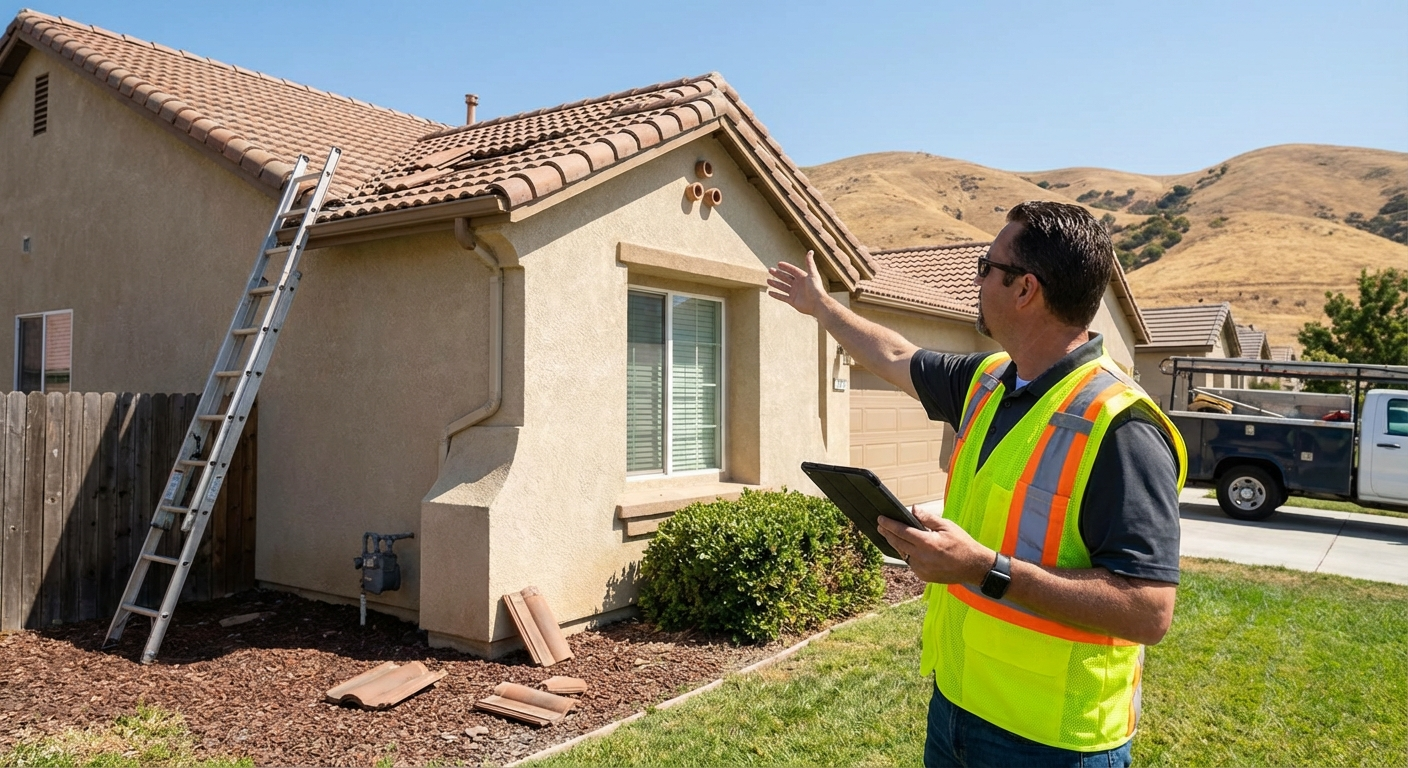
Filing a Claim: Steps to Take (and Missteps to Avoid)
You’ve got damage. Now what?
1. **Safety First:** Don’t get on a damaged roof yourself. It’s dangerous. Make sure your family is safe and prevent further damage if you can, like putting a tarp over a hole. Keep receipts for any emergency repairs.
2. **Document Everything:** This is so important. Take photos and videos from every angle – close-ups of the damage, wider shots showing the entire roof, and even pictures of surrounding property if relevant. Date everything.
3. **Contact Your Insurer:** Call them as soon as reasonably possible. They’ll assign an adjuster. Be honest and thorough when describing the damage.
4. **Get Estimates:** Your insurer might send their own adjuster, but it’s always a good idea to get at least two independent estimates from reputable, licensed roofing contractors. Make sure these estimates are detailed, itemizing materials and labor.
5. **Understand the Adjuster’s Report:** When the adjuster inspects your roof, they’ll create a report. Don’t be afraid to ask questions. Understand what they’ve approved and why. If their estimate is significantly lower than your contractor’s, that’s a red flag.
6. **Review Your Policy:** Seriously, read the fine print. Know your deductible, your coverage limits, and any exclusions. This will help you understand the adjuster’s decisions.
One misstep many people make? Calling a “storm chaser” contractor who promises a free roof or tries to pressure you into signing an “assignment of benefits” form. Be very careful. You want a local, reputable contractor with good references.
The Deductible Dilemma and Premium Hikes
Every policy has a deductible – the amount you pay out of pocket before your insurance kicks in. For roof claims, this can sometimes be a percentage of your home’s dwelling coverage, not just a flat dollar amount. So if your home is insured for $500,000 and you have a 1% deductible, you’re paying $5,000 before your insurer pays a dime. Know your deductible before you file.
Which brings up something most people miss. Will filing a roof claim raise your premiums? The short answer is yes, possibly. The real answer is more complicated. A single claim might not drastically impact your rates, especially if it’s a major, unavoidable event like a wildfire. But multiple claims, or claims for less severe damage, can definitely lead to higher premiums or even non-renewal. Insurers are looking at your risk profile, and a history of claims makes you look riskier.
This is especially true in California right now. The insurance market has tightened dramatically. Premiums for homeowners insurance jumped 40% between 2022 and 2024 for many folks. Some carriers are just not writing new policies in areas they deem too risky, like parts of the Sierra Nevada foothills or areas prone to wildfires. If you’re in one of those areas, even a single claim could make finding future coverage tough, sometimes pushing people to the California FAIR Plan — a last-resort insurer with more limited coverage.
What If You’re Denied? Don’t Give Up So Easily
Sometimes, despite your best efforts, your claim might be denied. Maybe the insurer says it’s wear and tear, or they claim the damage isn’t severe enough to meet your deductible. Don’t just accept it.
* Request a detailed explanation in writing. You have a right to know *why* they denied your claim.
* Gather more evidence. Get another contractor’s opinion, especially if they have expertise in forensic roofing or insurance claims.
* Review your policy again. Point to specific language that supports your claim.
* Consider an independent appraiser. You might have the right to invoke your policy’s “appraisal clause,” which allows an independent third party to assess the damage.
* Talk to a professional. An experienced insurance agent, like Karl Susman at Los Angeles Home Protection, can often help you understand your options and even intervene on your behalf. They know the ins and outs of California policies and can sometimes bridge the gap between you and the insurance company.
It can feel like a battle, but you paid for that coverage. You deserve a fair assessment.
If you’re feeling lost in the maze of roof damage claims or just want to understand your policy better before trouble strikes, don’t hesitate to reach out. Karl Susman and the team at Los Angeles Home Protection are here to help California homeowners make sense of it all. You can Get a Quote from Los Angeles Home Protection or call us at (877) 411-5200. We’ve been helping folks in the Golden State for years, and we understand the unique challenges of our market.
Proactive Steps: Before Disaster Strikes
The best defense is a good offense, right?
* **Regular Inspections:** Have your roof professionally inspected every few years, especially if it’s getting older. Catching small issues before they become big claims is smart.
* **Maintenance:** Keep your gutters clean, trim tree branches away from your roof, and address minor repairs promptly.
* **Understand Your Policy:** Don’t wait for a leak to read your policy. Talk to your agent. Ask about ACV vs. RCV, your deductible, and what specific perils are covered.
* **Consider Upgrades:** If you’re replacing your roof, ask about impact-resistant shingles or other materials that might qualify you for discounts or better coverage, especially if you live in a high-wind or hail-prone area.
* **Review Coverage Annually:** The California insurance market changes fast. What was covered last year might not be this year. Have an annual chat with your agent to make sure your coverage still makes sense for your home and your risk.
Frequently Asked Questions About California Roof Claims
Does home insurance cover a leaky roof?
It depends on the cause of the leak. If it’s from sudden, accidental damage like a storm, fire, or falling object, it’s generally covered. If the leak is due to old age, poor maintenance, or long-term wear and tear, your policy likely won’t cover it.
What if my insurance company offers a settlement that’s too low?
You don’t have to accept it. Get detailed estimates from reputable contractors. Compare them to the insurer’s offer. If there’s a significant difference, try to negotiate with your adjuster, providing your evidence. You can also consider invoking your policy’s appraisal clause or seeking advice from an experienced insurance professional.
Will filing a roof damage claim raise my premiums?
Potentially, yes. A single claim, especially for a major event, might not drastically impact your rates. However, multiple claims or claims for less severe damage could lead to higher premiums or even non-renewal, particularly in the current tight California insurance market.
What’s the difference between Actual Cash Value (ACV) and Replacement Cost Value (RCV) for roof claims?
Actual Cash Value (ACV) pays for the depreciated value of your roof. The older your roof, the less you’ll receive. Replacement Cost Value (RCV) pays to replace your damaged roof with a new one of similar quality, without subtracting for depreciation. RCV is generally preferred but often comes with a higher premium and might only apply to newer roofs.
Knowing your options and having an advocate on your side can make all the difference when dealing with a roof damage claim. For personalized advice and to explore your home insurance options in California, don’t hesitate to connect with Los Angeles Home Protection. You can call Karl Susman directly at (877) 411-5200 or visit our website to Get a Quote from Los Angeles Home Protection. We’re here to help you protect your home. CA License #OB75129.
This article is for informational purposes only and does not constitute financial advice.