When Your California Roof Takes a Hit: Understanding Home Insurance Claims
It’s a terrible feeling. You step outside after a blustery Santa Ana windstorm, or maybe a surprise hailstorm rolls through parts of the Inland Empire, and there it is: missing shingles, a sagging section, or even a tree branch sticking right through your roof. Instantly, your mind races. Is this covered? How much will it cost? Will my insurance company even pay? For most California homeowners, that knot of worry is all too familiar.
Honestly, the world of home insurance, especially when it comes to something as fundamental as your roof, can feel like navigating a maze blindfolded. You pay your premiums, year after year, hoping you’ll never need to use it. But when a disaster strikes, you expect your policy to kick in and protect your biggest investment. Sometimes it does. Sometimes, it gets complicated.
What Your Policy *Really* Says About Roof Damage
Think about your roof for a moment. It’s not just shingles; it’s a whole system protecting your home from the elements. So, when we talk about “damage,” what exactly does your homeowners insurance typically cover?
Generally, policies are designed to cover sudden, accidental damage from specific perils. This means things like windstorms ripping off shingles, a rogue tree limb falling during a storm, or fire embers landing and igniting a section of your roof. Those are usually straightforward claims, as far as insurance goes.
But here’s where it gets interesting. What about a slow leak that’s been dripping for months, finally causing water stains on your ceiling? Or shingles that are just old, brittle, and cracked from years of intense California sun? That’s typically considered wear and tear, or a maintenance issue. And policies almost never cover wear and tear. They expect you to maintain your home, including your roof. This is a common point of friction between homeowners and insurers, and it’s why understanding the difference before a claim becomes so important.

The California Climate and Your Roof
Our state’s weather patterns are unique, and they certainly don’t make life easy for roofs. We get those fierce, dry Santa Ana winds that can pick up loose debris and tear at shingles, especially in places like Ventura County or the hills above the Valley. Then there are the atmospheric rivers, dumping feet of rain on regions like the Sierra foothills, testing every seam and gutter.
And wildfires? They’re a constant threat. While direct flame damage is obvious, many roof claims after a fire event come from embers carried miles by the wind, landing on a vulnerable roof and igniting. Older roofs, especially those with wood shake or certain types of asphalt shingles, can be particularly susceptible.
Hail isn’t as common here as in, say, Texas, but it absolutely happens. Think about those unexpected thunderstorms that sometimes roll through the Central Valley or even parts of the Bay Area. Hail can dent metal roofs, crack tiles, or dislodge granules from asphalt shingles, weakening their protective layer. Knowing what your specific roof type can withstand – and what it can’t – matters.
Making a Claim: The First Steps After Damage
So, your roof is damaged. What now? Your immediate priority, once it’s safe to do so, is to prevent further damage. This might mean placing tarps over exposed areas or moving furniture away from leaks. Don’t wait for your insurance adjuster to arrive to do this. Insurers expect you to take reasonable steps to protect your property. Keep receipts for any materials you buy, like tarps.
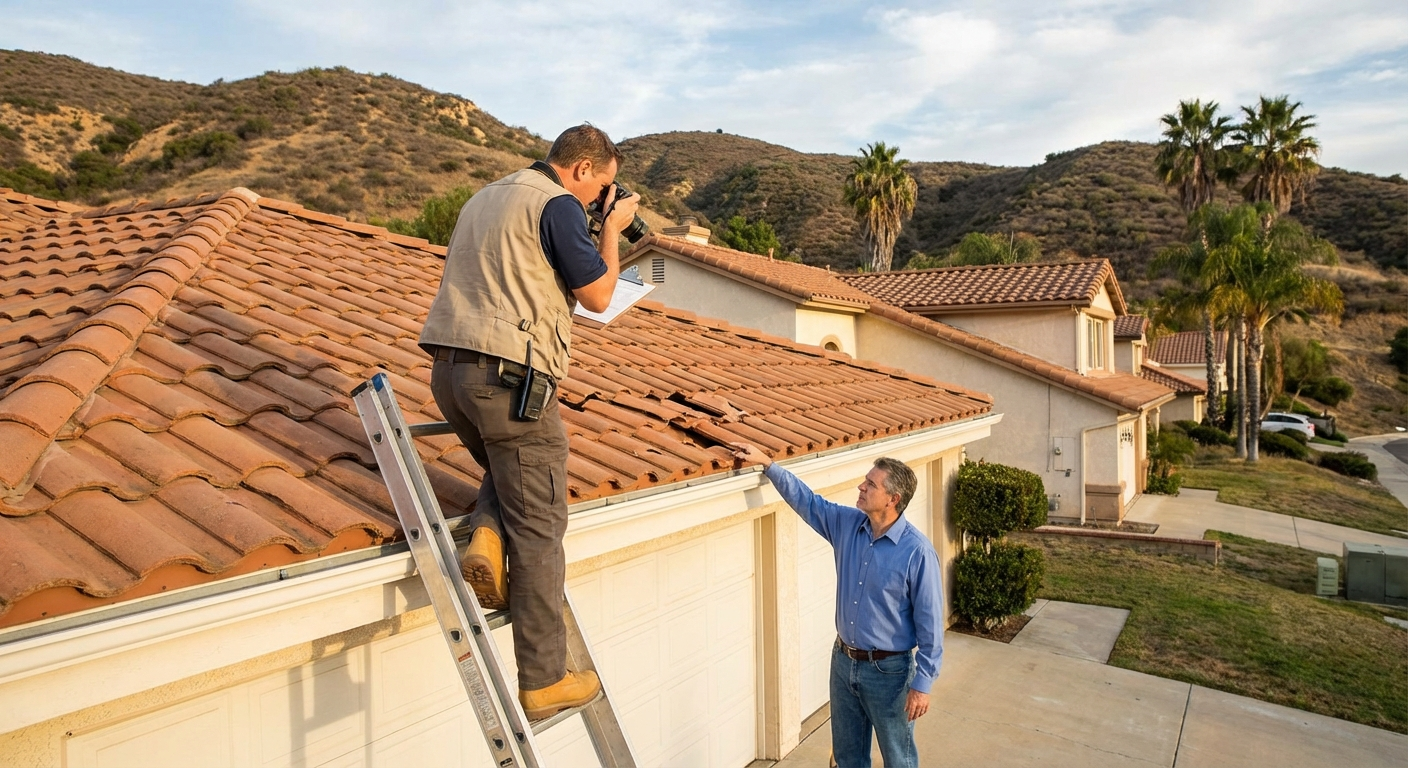
Next, document everything. Take photos and videos from multiple angles – close-ups of the damage, wider shots showing the affected area of the roof, and even pictures of the cause if you can (like that fallen tree branch). This visual evidence can be incredibly powerful later on.
Then, contact your insurance company. You’ll typically file a claim by phone or online. They’ll assign you a claim number and an adjuster. This adjuster’s job is to investigate the damage, determine its cause, and estimate the cost of repair or replacement.
Actual Cash Value vs. Replacement Cost Value: A Big Difference
Here’s where many homeowners get a rude awakening. Your policy will either cover your roof on an “Actual Cash Value” (ACV) basis or a “Replacement Cost Value” (RCV) basis. This is a huge distinction.
* Actual Cash Value (ACV): Imagine your roof is 15 years old. If it’s covered by ACV, the insurance company will pay you the cost of a new roof, *minus* depreciation for those 15 years of use. So, if a new roof costs $20,000, and your old one is 75% depreciated, you might only get a check for $5,000. That leaves a massive gap for you to cover out of pocket.
* Replacement Cost Value (RCV): With RCV, the insurer pays the full cost to repair or replace your roof with new materials of similar kind and quality, *without* deducting for depreciation. You might get an initial ACV check, but once the repairs are done and you submit receipts, they’ll pay the remaining depreciation. This is almost always the more desirable coverage for a homeowner.
Many older policies in California, or those in high-risk wildfire areas, might default to ACV for roofs, or have special endorsements that limit RCV. You really need to know which one applies to your home *before* you ever file a claim.
The California Insurance Shuffle: Why Roof Claims Feel Harder Now
It’s no secret that California’s insurance market is in a bit of a crisis. Insurers like State Farm and Allstate have pulled back from writing new policies. Even Farmers has announced limits. This makes everything tougher, especially for properties with perceived higher risks, which often includes older homes with older roofs.
Why? Wildfire risk is a huge factor. After devastating wildfire seasons, insurers are re-evaluating their exposure across the state. They’re looking at roof materials, defensible space, and even the slope of your property. If your roof isn’t considered “fire-resistant” enough, you might find it harder to get coverage, or face higher premiums and stricter claim scrutiny. This is where the California FAIR Plan comes in for many homeowners who can’t find traditional coverage – but the FAIR Plan often offers more limited coverage and can be more expensive.
Prop 103, passed back in 1988, regulates how insurance rates are approved in California. While it protects consumers from arbitrary rate hikes, it also means insurers sometimes feel they can’t charge enough to cover their risks, leading them to reduce their presence in the state. This creates a difficult market for everyone.
Before Disaster Strikes: Your Best Defense
The best time to understand your roof coverage isn’t when water is pouring through your ceiling. It’s now.
First, pull out your policy – or ask your agent for a detailed explanation. Understand your deductible, whether your roof is covered by ACV or RCV, and if there are any specific exclusions for certain types of damage or materials.
Next, focus on maintenance. Regularly clear gutters, trim tree branches overhanging your roof, and inspect for loose or missing shingles. A well-maintained roof is less likely to suffer significant damage from a minor storm, and it definitely helps your case if an insurer tries to argue “wear and tear.” Getting a professional roof inspection every few years can catch small issues before they become big, expensive claims.
Finally, consider working with an independent insurance agent. Someone like Karl Susman at Los Angeles Home Protection (CA License #OB75129) understands the unique challenges of the California market. We don’t just sell policies; we help homeowners understand them, find the right coverage, and act as an advocate when things get complicated. We know which insurers are still writing policies in your area and which ones offer better roof coverage terms.
If you’re feeling overwhelmed, you’re not alone. Many Californians are. But taking proactive steps can make a world of difference when your roof – and your home’s protection – is on the line.
Ready to talk about your home insurance and roof coverage? An independent agent can help you understand your options and find the right policy for your California home. Get a personalized quote today: https://susmaninsurance.com/get-a-quote/
When a Claim Gets Tricky
Sometimes, despite your best efforts, a claim doesn’t go smoothly. Maybe your insurer denies your claim, arguing it’s wear and tear, not sudden damage. Or perhaps they offer an ACV payout when you thought you had RCV. This is often where homeowners feel helpless and frustrated.
Don’t accept a denial or an inadequate payout without questioning it. Review your documentation, your policy language, and if you believe the decision is unfair, appeal it. An independent agent can often offer guidance during this process, helping you understand your rights and the insurer’s obligations. Sometimes, a professional roof inspection report that contradicts the adjuster’s findings can be powerful evidence.
The goal isn’t to fight your insurance company, but to ensure you get what you’re rightfully owed under your policy.
Worried about your current roof coverage or need to review your policy? Get in touch with Karl Susman at Los Angeles Home Protection, CA License #OB75129, by calling (877) 411-5200 or visit us online to explore your options: https://susmaninsurance.com/get-a-quote/
Frequently Asked Questions About Roof Damage Claims
What if my roof damage is caused by an earthquake?
Standard homeowners insurance policies in California do not cover earthquake damage. For that, you’d need a separate earthquake insurance policy, typically purchased through the California Earthquake Authority (CEA) or a private insurer. These policies have their own deductibles and coverage limits, so it’s a completely different claim process.
My insurer says my roof is too old to replace; is that true?
Not necessarily. While age is a factor in ACV policies (depreciation), an insurer can’t simply refuse to cover a sudden, accidental loss just because your roof is old. They might, however, limit your coverage to ACV, or require you to replace the roof with a specific material (like a fire-resistant type) to continue coverage. It’s a common point of negotiation, and sometimes a reason to look for a different carrier.
Should I get an estimate from a contractor before filing a claim?
It can be a good idea. Having a contractor’s estimate gives you an independent assessment of the damage and potential costs. This can be helpful when comparing it to your insurer’s adjuster’s estimate. Just be transparent with your insurer that you’re getting estimates; don’t start repairs until you’ve discussed it with them.
Will filing a roof damage claim raise my premiums?
Possibly. Filing any claim can impact your insurance rates, especially if it’s a significant claim. Your claims history is a factor insurers consider. Sometimes, if the damage is minor and just above your deductible, it might be worth considering whether filing a claim is the best financial move in the long run.
What if my entire roof needs replacing, but only part of it was damaged?
This is often called “matching” or “ordinance and law” coverage. If your policy includes “ordinance and law” coverage, it might pay for the entire roof replacement if local building codes require it (e.g., if you can’t repair just one section with matching materials). Without this coverage, or if matching isn’t deemed necessary by the adjuster, you might only get paid for the damaged section.
This article is for informational purposes only and does not constitute financial advice.