
The Quiet Fear: Protecting Your California Home from Theft
Honestly, it’s enough to keep you up at night. You’ve worked hard for your home, for everything in it. And here in California, especially in places like the Valley or parts of the Inland Empire, the thought of someone breaking in, taking what’s yours – it’s a real and growing worry. Folks tell me all the time they feel less safe than they used to. They’re seeing news reports, hearing about neighbors, or maybe they’ve even had a close call themselves. That feeling of vulnerability? It’s completely valid.
For most California homeowners, the standard HO3 policy – that’s the most common type – does offer a layer of protection against theft. It’s usually built right in. If someone breaks into your home and steals your TV, your jewelry, or even that expensive new bike from the garage, your policy is designed to help you recover those losses. This includes damage done during the break-in, too, like a smashed window or a kicked-in door. That’s a relief, right? Knowing you won’t be out *everything* if the worst happens.
But here’s the thing. That basic coverage, while good, isn’t always the whole story.
What Standard Policies Cover – And Where They Fall Short
Your typical homeowner’s policy covers your personal belongings, usually up to a certain percentage of your dwelling coverage. Say your house is insured for $500,000; your personal property might be covered up to $250,000. That sounds like a lot. And for general household items – clothes, furniture, kitchenware – it usually is.
However, there are often *sub-limits* for specific categories of items. Think jewelry, furs, watches, precious stones, firearms, or even valuable silverware. You might have $250,000 in overall personal property coverage, but your policy could cap jewelry theft at just $2,500. Or maybe $1,500 for firearms. If you have a family heirloom diamond ring or a collection of high-end watches, that $2,500 limit won’t even scratch the surface of replacing them. This is a common point of confusion, and it’s where many people get a really unpleasant surprise after a theft.
Which brings up something most people miss. “Mysterious disappearance” isn’t theft. If your expensive watch simply vanishes from your nightstand, and there’s no evidence of a break-in or forced entry, your standard policy likely won’t cover it. It needs to be clearly a result of a *theft* for the coverage to kick in. Big difference.

Boosting Your Protection: Scheduled Personal Property
So, what do you do if you own things worth more than those sub-limits? You get an endorsement. We call it “scheduled personal property” coverage, or sometimes a “floater.” This is where you specifically list – or “schedule” – those high-value items with your insurer. You’ll usually need an appraisal for each item to prove its value.
Once an item is scheduled, it’s typically insured for its full appraised value, and those sub-limits no longer apply to it. Many scheduled items also get broader coverage, often extending to mysterious disappearance, accidental damage, or even loss when you’re traveling. Imagine taking that diamond ring on a cruise and it slips off your finger into the ocean. If it’s scheduled, you might be covered. If it’s not? Probably not. It’s a small extra cost, but for true peace of mind about your most cherished possessions, it’s absolutely worth considering.
The California Context: Why Theft Protection Matters More Now
Let’s be real. California’s insurance market is… challenging. Between wildfires forcing insurers like State Farm and Farmers to pull back from certain areas, and the general rising cost of doing business, finding comprehensive coverage is harder than it used to be. Premiums jumped 40% between 2022 and 2024 for many homeowners. And that doesn’t even account for the FAIR Plan – California’s “insurer of last resort” – which covers fire but often leaves huge gaps for other perils, including theft. If you’re stuck on the FAIR Plan, your theft coverage might be minimal or non-existent, requiring you to buy a separate “Difference In Conditions” policy. It’s complicated.
This difficult environment means you really need to be proactive. Not only in securing your home but in understanding your policy. Don’t just assume you’re covered. Read the fine print, or better yet, talk to someone who lives and breathes this stuff. Someone like Karl Susman at Los Angeles Home Protection. He’s been helping California homeowners for years, navigating these exact kinds of tricky situations. CA License #0B75129.
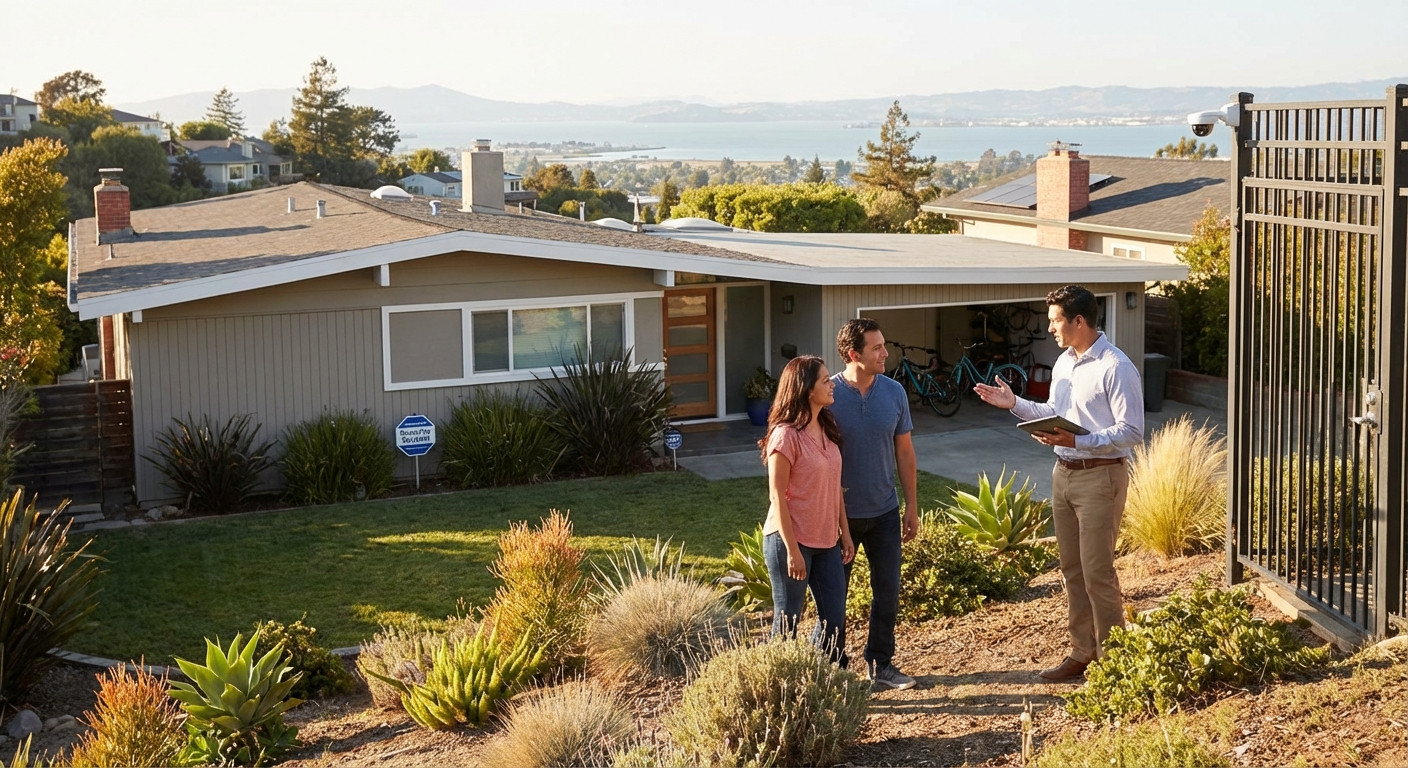
Making Your Home Less Appealing to Thieves
Of course, the best claim is the one you never have to make. So, what can you do to make your home a less attractive target? Plenty, actually.
* **Security Systems:** This is a big one. A monitored alarm system – where a company calls the police if there’s a break-in – is a huge deterrent. Many insurers even offer discounts for these. Smart home systems that let you remotely monitor cameras, lock doors, and control lights add another layer.
* **Good Lighting:** Well-lit exteriors, especially motion-sensor lights, make it harder for someone to hide.
* **Strong Doors and Windows:** Upgrading to solid core doors, reinforced frames, and even security film on windows can make a difference. Don’t forget those sliding glass doors – they’re often a weak point.
* **Neighborhood Watch:** Getting to know your neighbors and watching out for each other is incredibly effective. A strong community presence can deter crime more than you might think.
* **Don’t Advertise:** Try not to leave expensive items visible through windows. Don’t leave boxes for new electronics by the curb; break them down and put them in your recycling bin. And when you’re on vacation? Have a friend or neighbor collect mail, put out trash cans, and park in your driveway to make it look like someone’s home.
* **Dogs:** A barking dog, even a small one, can be a great deterrent. Most burglars want to get in and out quickly and quietly.
Filing a Theft Claim: The Steps
If, despite your best efforts, a theft does occur, here’s what you need to do:
1. **Call the Police Immediately:** Get a police report filed. This is non-negotiable for an insurance claim.
2. **Document Everything:** Take photos or videos of the damage, the entry points, and any areas where items were stolen. Make a detailed list of every missing item. Include brands, models, serial numbers (if you have them), and estimated values. This is where a home inventory comes in handy – a list or video of your belongings *before* anything happens.
3. **Contact Your Agent:** Reach out to Karl Susman or your insurance provider as soon as possible. They’ll guide you through the claims process.
4. **Cooperate:** Be prepared to answer questions, provide documentation, and possibly meet with an adjuster.
It can feel overwhelming, especially after such a violating experience. But remember, your agent is there to help you through it.
Trying to sort through all the options, the fine print, the sub-limits – it’s a lot. Especially when you’re already worried about your home and your family. But you don’t have to figure it out alone.
If you’re feeling uncertain about your current theft coverage or want to explore ways to better protect your home and belongings, it really helps to talk to someone who understands the California market inside and out. Karl Susman and his team at Los Angeles Home Protection are always ready to answer your questions and help you find the right solutions. You can reach them at (877) 411-5200.
Maybe you’ve been declined by other insurers. Maybe you’re in a high-risk area. Don’t give up. There are still options, and an experienced agent can help you find them.
Want to see what options might be out there for your specific situation? You can start the process of getting a personalized quote right now. Visit https://losangeleshomeprotection.com/quote/ to begin. It’s a simple step towards greater peace of mind.
Frequently Asked Questions About Theft and Homeowners Insurance
Q: Does my homeowners insurance cover theft if I’m not home?
A: Yes, generally it does. Your standard policy covers theft whether you’re at home, away on vacation, or even if items are stolen from your car (though your auto policy might apply there too, depending on the circumstances). The key is that the items are your personal property.
Q: What if I have a break-in but nothing is stolen, only damaged?
A: Your policy typically covers damage to your dwelling caused by a covered peril, and vandalism or malicious mischief (which includes break-in damage) is usually covered. So, a smashed window or a kicked-in door would likely be covered, even if no items were taken.
Q: Will my premium go up if I file a theft claim?
A: The short answer is yes, it’s possible. The real answer is more complicated. Filing any claim can impact your premiums. Insurers look at your claims history when determining rates. However, the exact impact depends on various factors: the amount of the claim, your previous claims history, and your insurer’s specific policies.
Q: Does my homeowners insurance cover theft of items outside my home, like from my shed or yard?
A: Yes, most standard policies extend personal property coverage to items stolen from detached structures on your property, like a shed or garage. Some policies also offer limited coverage for items stolen from your yard, though this can vary. Always check your specific policy details.
Q: Can I get a discount on my homeowners insurance for having a security system?
A: Often, yes! Many insurers offer discounts for professionally monitored alarm systems, deadbolt locks, smoke detectors, and sometimes even smart home technology. It’s always worth asking your agent about potential discounts. It’s a win-win: better protection and potentially lower premiums.
Don’t let worry keep you from enjoying your California home. Take the steps to understand your coverage and protect what matters most. If you’re ready to explore your options or get a quote, you can start here: https://losangeleshomeprotection.com/quote/.
This article is for informational purposes only and does not constitute financial advice.